Conserving Nature: The Importance of Animal Protection in Real Estate Management
Safeguarding wildlife within property management is increasingly recognized as a critical element of responsible development. It not only fosters environmental harmony but also improves community health and welfare. When property managers embrace eco-conscious practices, they are able to significantly influence the biodiversity of local areas and habitat preservation. Yet, the key question persists: which targeted approaches can be adopted to meaningfully advance these aims? Exploring this topic reveals both challenges and opportunities for both property managers and local communities.
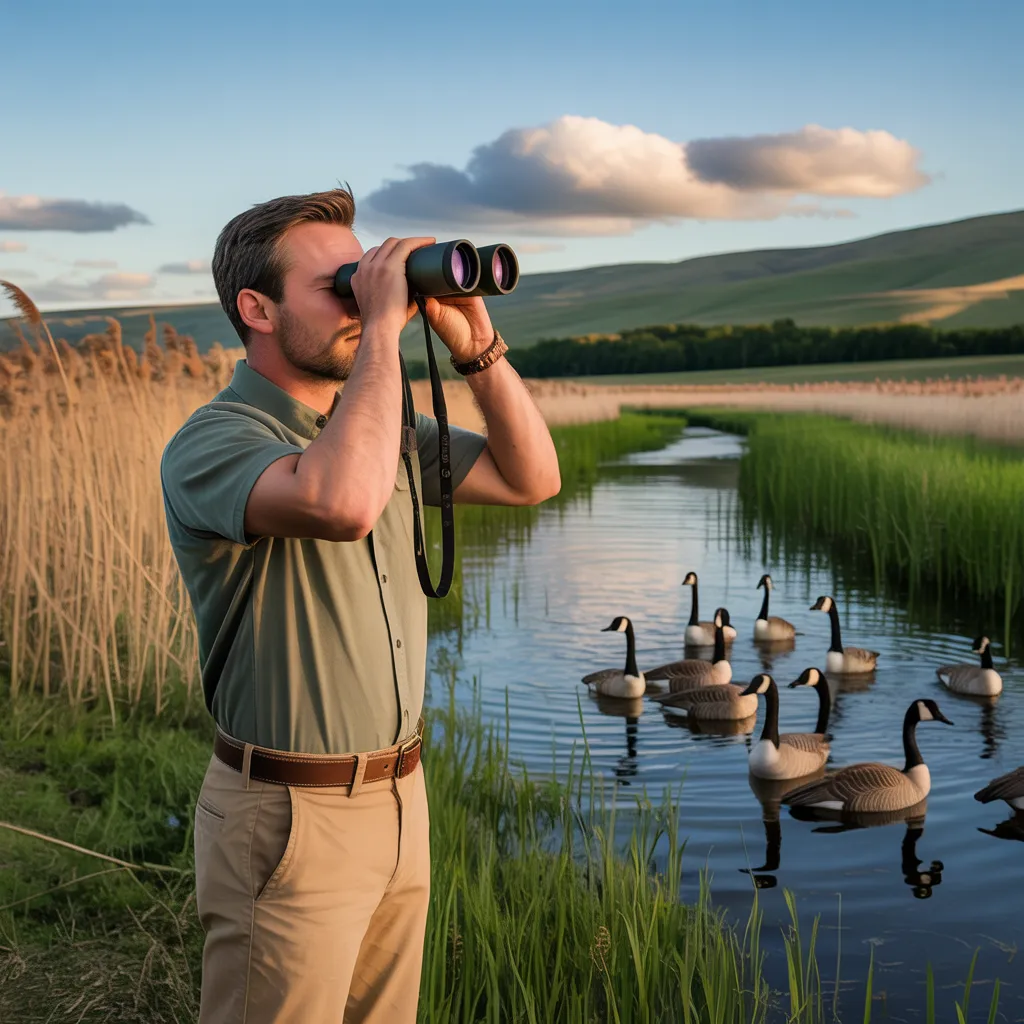
Why Wildlife Conservation Is Essential in Property Management
Even though property management tends to emphasize human requirements and growth, recognizing the significance of wildlife protection is vital for sustainable practices. Wildlife serves an essential purpose in sustaining ecological harmony, supporting processes such as pest control, pollination, and seed distribution. Disregarding these elements can result in negative impacts, including diminished biodiversity and the deterioration of natural habitats.
In addition, weaving wildlife protection into property oversight can strengthen the overall welfare of communities. Wild habitats foster mental health and create chances for outdoor activities, while healthy ecosystems can raise property values. Governing policies aimed at safeguarding wildlife also foster a spirit of accountability among property managers, encouraging conscientious stewardship.
In the end, acknowledging the fundamental relationship between the activities of people and wildlife conservation is essential. By placing emphasis on wildlife protection, property management not only safeguards natural habitats but also supports long-term sustainability, making certain that both present and coming generations can benefit from a balanced and thriving environment.
What Local Ecosystems Expect From Us
Local ecosystems need active involvement and careful management to flourish, as they face numerous challenges from urbanization and climate change. To preserve and nurture these ecosystems, it is imperative to maintain biodiversity by protecting native species and their habitats. This involves creating corridors that connect fragmented environments, permitting wildlife to roam freely and respond to shifting conditions.
Moreover, reducing pollution and managing waste effectively can remarkably boost local water quality and soil health. Community participation and educational initiatives play essential roles in cultivating a spirit of stewardship among residents, inspiring their participation in conservation activities.
Additionally, supporting responsible land management strategies ensures that advancement does not undermine key ecological systems. By emphasizing these considerations, societies can build a sustainable dynamic with their habitat, progressively contributing to improved environmental conditions that serve both natural wildlife and local residents.
Effective Strategies for Making Properties Wildlife-Friendly
Creating wildlife-friendly properties requires a proactive approach, as thoughtful design and management can greatly enhance habitats for various species. Property managers can begin by incorporating native plants, which provide food and shelter for local wildlife while requiring less maintenance and water. Installing water features, such as small ponds or bird baths, supports a variety of species to flourish.
Additionally, decreasing the use of chemical pesticides and herbicides is important, as these chemicals can negatively impact wildlife and beneficial insects. Utilizing eco-friendly landscaping methods, such as creating brush piles or leaving fallen logs, supplies supplementary habitat.
Moreover, setting up birdhouses and bat boxes can aid local birds and insect-eating bats, enhancing pest control efforts. As a final measure, maintaining open spaces allows for the movement of wildlife, minimizing habitat fragmentation. By implementing these approaches, land managers can establish settings that promote biodiversity while improving the overall ecological well-being of their properties.
Engaging the Community in Wildlife Conservation
Including the public in wildlife conservation is crucial for cultivating a collective sense of accountability. Public participation programs, including informative workshops and activities, can successfully increase awareness and encourage active involvement. These initiatives not only enhance local knowledge but also deepen the connection between community members and their surrounding ecosystem.
Community Engagement Initiatives
Community participation efforts serve a vital function in wildlife conservation, fostering a sense of shared responsibility among community members. By including local participants in wildlife protection initiatives, site administrators can develop grassroots responsibility for wildlife habitats. Initiatives may include volunteer programs for habitat restoration, citizen science projects that monitor local species, and collaborative conservation planning. These efforts not only enhance biodiversity but also reinforce social connections, as neighbors unite around mutual conservation aims. Additionally, engaging the community enables varied viewpoints, ensuring that conservation strategies are culturally and ecologically relevant. At its core, by encouraging people to champion local wildlife preservation, local areas can establish enduring ecosystems that support both human and wildlife well-being.
Educational Workshops and Programs
Educational programs and events function as a valuable channel for enhancing wildlife conservation efforts within local communities. Such initiatives support information sharing, providing participants with fundamental knowledge about the importance of biodiversity and local ecosystems. By encouraging residents to participate in hands-on activities, such as habitat restoration or species monitoring, such events develop a feeling of stewardship and accountability towards the local natural environment. Partnerships with conservation groups and specialists greatly enhance the experience, offering participants valuable skills and materials. Furthermore, these events can tackle pressing issues like habitat loss and invasive species, promoting active community participation. In the end, these learning initiatives not only increase awareness but also empower individuals to contribute meaningfully in wildlife protection, guaranteeing a thriving future for both the environment and surrounding communities.
How Protecting Wildlife Increases Property Value
Wildlife protection initiatives are known to considerably increase property value by fostering more attractive landscapes. These programs help develop sustainable ecosystems, which in turn attract a rising consumer interest for eco-friendly living spaces. When homes grow more attractive to prospective purchasers, their appeal in the market strengthens, resulting in elevated property values.
Improved Visual Appeal
A flourishing natural environment can significantly enhance the aesthetic appeal of a residence, making it increasingly appealing to prospective purchasers. Properties that integrate wildlife-friendly features, such as native plants and natural habitats, often showcase dynamic outdoor spaces that inspire appreciation. The abundance of songbirds, pollinators, and native creatures creates a vibrant setting, enabling residents to engage with the natural world. This inherent charm not only enchants but also promotes a feeling of peace and harmony. Moreover, residences that prioritize wildlife protection often embody a dedication to ecological responsibility, attracting eco-conscious buyers. Ultimately, improved visual allure through wildlife protection can meaningfully elevate property value, making it a wise investment for property managers aiming to attract discerning clientele.
Sustainable Environmental Benefits
Embedding wildlife protection into property management not only enhances visual appeal but also cultivates a sustainable ecosystem that can considerably enhance property value. By developing habitats professional guide for indigenous species, properties can increase biodiversity, which contributes to healthier ecosystems. This ecological balance helps maintain soil quality, water resources, and natural pest control, reducing the need for chemical treatments. Additionally, properties that emphasize wildlife protection often draw in sustainability-focused buyers, enhancing marketability. Natural landscapes and natural features can lead to expanded outdoor opportunities, further elevating a property's desirability. Ultimately, the inclusion of wildlife protection into property management not only protects valuable natural resources but also acts as a wise strategic investment, leading to enhanced property valuation over time.
Rising Market Demand
As property managers grow more aware of the value of wildlife protection, the market demand for environmentally friendly properties keeps growing. This growing awareness aligns with consumer preferences for sustainable living, where purchasers actively look for properties that emphasize environmental responsibility. Properties adopting wildlife-friendly measures not only boost biodiversity but also draw in eco-conscious tenants and buyers. Research shows that such properties tend to secure higher rental rates and resale values, as they are viewed as increasingly desirable investment options. Moreover, compliance with wildlife protection standards can minimize risks related to potential penalties or legal complications, thereby strengthening market appeal. Therefore, embedding wildlife protection measures represents a strategic pathway to elevating property value while making a positive contribution to the ecosystem.
Successful Initiatives in Wildlife Protection
While many property management organizations prioritize profitability, accomplished ecological protection initiatives show that ecological stewardship can coexist with business interests. A growing number of firms have implemented green strategies that benefit both wildlife and property values. As a prime example, establishing animal pathways within city developments helps creatures to prosper while improving the overall charm of property landscapes.
In addition, a number of businesses engage in habitat recovery programs, which not only preserve local ecosystems but also draw in green-focused tenants. Incorporating sustainable landscapes and native landscaping actively encourages biodiversity, drawing a rising group of individuals interested in green living.
Furthermore, learning initiatives targeting residents cultivate a feeling of communal accountability towards regional wildlife, fostering environmental stewardship. These initiatives demonstrate that incorporating wildlife preservation into real estate management can enhance a company's image and bottom line, effectively proving that environmental objectives and economic aims are not mutually exclusive.
Common Questions and Answers
Which Legal Regulations Apply to Wildlife Protection in Property Management?
Numerous legislative frameworks, encompassing the Migratory Bird Treaty Act and the Endangered Species Act, oversee the protection of wildlife in property administration. These legislative measures require those managing properties to ensure that natural habitats remain intact and wildlife is not endangered while development activities take place.
What Methods Can Property Owners Use to Identify Local Wildlife Species?
Property owners can identify native wildlife by conducting surveys, accessing regional wildlife databases, engaging with conservation organizations, and employing mobile apps specifically created for identifying species, enhancing their understanding of the biodiversity present on their property.
What Are the Economic Benefits of Wildlife-Friendly Properties?
Wildlife-friendly properties often attract eco-conscious buyers, increasing the worth of real estate. Furthermore, owners can take advantage of possible tax benefits and greater tourism income, fostering sustainable practices that preserve regional habitats while providing economic advantages to landowners.
How Can Property Managers Stay Updated on Wildlife Protection Practices?
Property managers can keep current with wildlife protection practices by taking part in workshops, subscribing to relevant journals, enrolling in online courses, joining professional associations, and partnering with environmental organizations to access the latest research and guidelines.
What Is the Role of Native Plants in Wildlife Conservation?
Indigenous plants function as critical habitats and sustenance for native wildlife, promoting biodiversity. They support pollinators, provide shelter, and enhance ecosystem resilience, ultimately contributing to the general health and sustainability of surrounding natural environments.